
Melbourne Secrets: Achieve a Spotless Kitchen with Our Care Guide
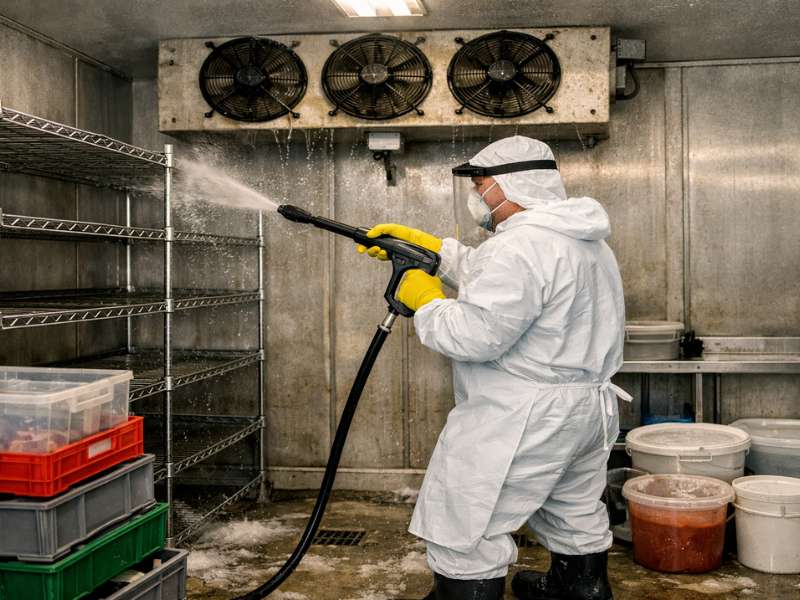
The quickest way to know if an exceptionally busy kitchen is under control has nothing to do with the floor, the benches, or even the fryers. It is to do with the air.
When a Commercial Kitchen Exhaust & Canopy system is not cleaned properly, grease lingers, odours hang around, airflow drops, and the whole space starts working harder than it should. In Melbourne, the industry has so much to gain and lose in consistency it’s worth ironing out sooner rather than later.
Whether you’re a cafe, restaurant, takeaway store, pub, or a cloud kitchen this guide will assist in identifying problems before they become safety concerns, customer complaints, or costly closures.
The real cost of “clean enough”
A kitchen can look fine at first glance and still be carrying hidden grease where it matters most. That is the trap many operators fall into. They wipe visible surfaces, empty bins, mop floors, and assume everything above eye level is fine. But the real build-up often hides in filters, duct entry points, fan sections, and the interior surfaces collecting airborne grease day after day.
Here is what happens when cleaning gets delayed:
- Airflow becomes weaker and less reliable
- Heat and smoke hang around longer during service
- Staff comfort drops, especially on busy nights
- Odours drift into customer areas
- Grease build-up raises fire risk
- It may force a greater effort on the equipment thus shortening its life span
Take a minute and think about the kitchen in your own house. Have you felt the air was heavy than before? Are staff opening doors more often? Is the smell from last night’s service still there in the morning?
Those little signs matter.
A kitchen does not become risky all at once. It gets there one rushed service, one skipped filter clean, and one “we’ll do it next week” at a time.
How often should you clean your commercial kitchen exhaust & canopy in Melbourne?
One size definitely does not fit all venues and that is where many generic articles make their biggest mistake.
A little breakfast coffee shop does not create grease at the rate a burger place, a charcoal pit place, or a full service restaurant sending out a hundred of hot plates a day. Your schedule should relate to the type of food you cook, how many hours you operate, how much food you send out and how much grease, smoke, and heat you have.
A practical guide looks like this:
Light-use kitchens
These are usually cafés, bakeries, or venues with limited frying.
- Wipe visible surfaces daily
- Clean filters regularly as part of weekly kitchen care
- Inspect the full system on a scheduled basis
- Book deeper cleaning before residue becomes sticky and dark
Medium-use kitchens
These often include restaurants with steady lunch and dinner service.
- Daily surface cleaning is essential
- Filter care needs to be consistent, not occasional
- Grease points should be checked more often
- Deep cleaning should happen on a more disciplined routine
Heavy-use kitchens
This refers to quick high-volume operations where you use grills, fryers, woks, or char equipment.
- Daily care needs strict staff follow-through
- Filters can clog much faster than expected
- Duct and extraction performance should be checked closely
- Deep cleaning intervals should be shorter and planned in advance
A simple rule? The heavier the cooking, the shorter the gap between professional cleans.
A good pro tip from the shop floor. Grab a white paper towel, wipe the bottom edge of the canopy after the end of a heavy service. If there’s a smear on the paper of yellowy-brown and not a pale smudge, grease has got in where it shouldn’t be going already. That is usually an early warning that your system needs more attention than your current routine allows.
The spots most teams forget
Even strong kitchen teams miss the same trouble areas again and again.
Why? Because service pressure makes people focus on what customers can see. The hidden system above the cooking line becomes “out of sight, out of mind” until a smell, smoke issue, or inspection puts it back on the radar.
Here are the areas that often get overlooked:
Filter edges and corners
These collect residue faster than the flat visible face. If corners are sticky, your system is already telling you something.
The canopy lip
Grease often gathers underneath the front edge where staff rarely look during a rushed wipe-down.
Duct entry points
This is where airborne grease begins moving deeper into the system. If ignored, build-up can spread far beyond what a surface clean can handle.
Fan housing and extraction components
When these areas collect residue, performance can drop quietly over time before anyone notices.
Surrounding ceiling surfaces
Slight mist over and around the cooking line, often tells that the grease vapour is going where it is not intended to go.
To get a truly clean kitchen, teach your staff to think in layers not just in surfaces.
Daily habits that keep build-up down
A spotless kitchen does not come from one big clean. It all depends on the small habits done correctly every shift, by every member of the team.
The great news is that just a few focused routines will make a significant change.
Before service
- Check filters are seated properly
- Look for visible residue around the canopy edge
- Make sure extraction is sounding and performing as expected
During service
- Keep an eye on excess smoke or lingering heat
- Note any unusual smells that stay in the room
- Report dripping grease or sticky surfaces immediately
After service
- Wipe visible canopy surfaces with the right products
- Clean nearby splash zones before residue hardens
- Document anything that looks heavier than normal
- Leave a note if extraction seems weaker than usual
This is where many businesses improve quickly: not by cleaning harder, but by cleaning smarter and documenting patterns.
Ask yourself this: does your team know what “normal” looks like in your kitchen? For they will otherwise not pick up on subtle early symptoms of the disease.
The best kitchen is not one that does not get dirty; but one that spots a shift at the earliest possible stage and rectifies it before the problem gets expensive.
Why Melbourne kitchens need extra discipline?
Melbourne hospitality is a competitive, fast-paced business which depends on reputation and a small operational problem can become a huge business issue.
If air flow is not good, and smells wander into the dining area then it becomes noticeable to the customer. When the staff are subjected to warmer, smoky conditions, this can affect morale. The longer the grease is allowed to accumulate the slower, harder and more costly it is to clean.
A clean extraction system supports more than appearance. It supports:
- A better working environment for staff
- More consistent service during busy periods
- Reduced strain on kitchen operations
- A stronger first impression for customers
- Better long-term care of your equipment and fit-out
That is why smart operators do not wait for visible grime. They build a cleaning rhythm around prevention.
A smarter cleaning plan for busy operators
To get a care guide that actually does something real world, it needs to be simple enough to follow but harsh enough to have an impact.
Step 1: Separate daily from deep cleaning
Your team should know exactly what gets done every day and what needs scheduled specialist attention.
Step 2: Match the schedule to cooking volume
Do not copy another venue’s plan. Build one around your own output.
Step 3: Keep a visible checklist
A cleaning standard hidden in someone’s head is not a system. Put it where staff can follow it.
Step 4: Inspect, do not assume
Visual inspections, sniff tests and a sensitivity to air flow will be obvious much sooner than the average owner might think.
Step 5: Review after menu or service changes
Additional frying, extended trading hours, and a busier season can affect the rate of grease build-up.
This is the element that so many companies miss: your cleaning program should adapt with your kitchen, and not stand still as the workload increases.
When it is time to call the pros
There comes a point where regular staff cleaning is no longer enough.
You should bring in professional help when:
- Grease returns too quickly after cleaning
- Odours linger even after close-down
- Smoke seems to hang around longer than before
- Filters and canopy surfaces feel sticky soon after service
- The kitchen feels hotter or stuffier than usual
- You want confidence that your cleaning standard is keeping up with demand
A professional service does more than make things look better. It restores some of your confidence that the system is working as it’s supposed to. And it is important to have that peace of mind when you have staffing, food cost, customer service and everything else on your mind running your hospitality business.
Keep your kitchen working at its best
A clean kitchen isn’t merely a question of appearance. It’s one of safety, ventilation, staff well-being and safeguarding the reputation that your customers anticipate with every entrance.
If your kitchen feels a bit heavier, stinker and unmanageable than it did before, that’s more than just another kitchen task, the little signs mean there’s usually a bigger cleaning issue underneath.
If you’re looking for a trusted partner who’ll assist Melbourne venues to be cleaner, safer and service-ready, contact CSH Maintenance. If you need some expert help to do your Commercial Kitchen Exhaust & Canopy, there’s no better time to keep it on the top before your kitchen gets slow due to its accumulation.